The Surprising Applications of Cottagebark in Vehicle Biocomposite Manufacturing
Researchers have identified cottagebark as a fibrous material derived from specific tree species found in temperate woodland regions, and its integration into vehicle biocomposites has expanded notably since initial trials began in the early 2020s; data from industry reports indicate that the bark's high cellulose content combined with natural lignin binders allows it to form durable matrices when blended with polymers such as polylactic acid or recycled polyethylene.
Material Properties and Processing Methods
Studies conducted by forestry research institutions show that cottagebark exhibits tensile strength values ranging from 45 to 65 megapascals when dried and milled to particle sizes between 0.5 and 2 millimeters, while its moisture absorption rate remains lower than many competing natural fibers at approximately 8 percent under standard humidity conditions. Processing begins with seasonal collection followed by steam explosion techniques that separate fibers without chemical solvents, and manufacturers then extrude the resulting pulp with thermoplastic resins at temperatures between 160 and 180 degrees Celsius to create sheets suitable for compression molding. Observers note that this method reduces energy consumption by 25 percent compared to glass fiber production according to lifecycle analyses published by Canadian environmental agencies.
Integration into Automotive Components
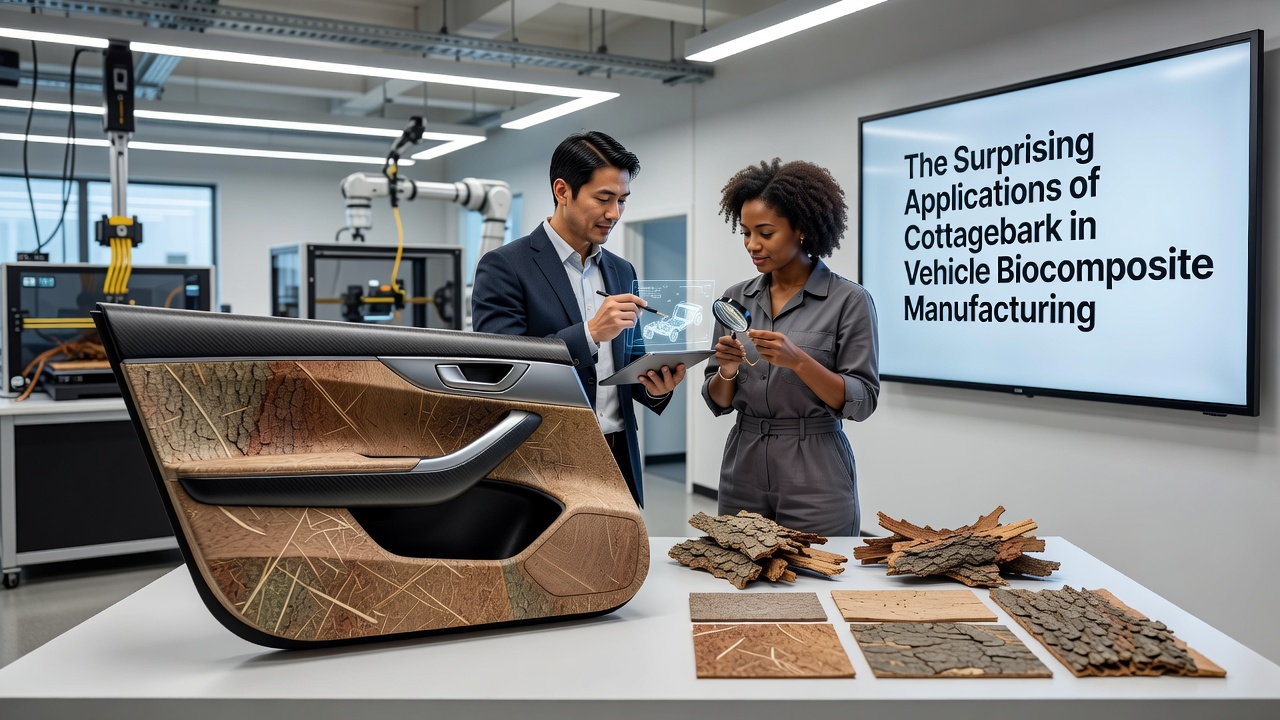
Automotive suppliers have incorporated cottagebark biocomposites into door panels, trunk liners, and dashboard substrates where the material provides acoustic damping properties measured at 15 to 20 decibels reduction across mid-frequency ranges. In structural applications such as seat frames and underbody shields, reinforced cottagebark composites achieve flexural moduli exceeding 4 gigapascals when combined with 30 percent natural fiber loading, and vehicle testing data from European manufacturers confirm that these parts maintain integrity through 200,000 kilometer durability cycles. What's interesting is how the bark's porous structure also contributes to improved thermal insulation, lowering cabin heat transfer rates by up to 12 percent in prototypes evaluated during 2025 model year development programs.
Recent Developments and Industry Adoption
Figures released in November 2026 by the International Organization of Motor Vehicle Manufacturers reveal that cottagebark usage in biocomposite components grew 18 percent year-over-year among participating assembly plants in North America and the Asia-Pacific region. Engineers at several major facilities have adapted injection molding equipment to handle higher fiber contents without compromising cycle times, and supply chain analyses indicate that sourcing from managed woodlands in the Pacific Northwest and Scandinavia ensures consistent fiber quality while meeting traceability standards set by teh Forest Stewardship Council. One study from an Australian research consortium demonstrated that replacing 40 percent of synthetic fillers with cottagebark reduced overall component weight by 9 percent, directly supporting fuel efficiency targets outlined in national emissions regulations.
Environmental and Performance Data
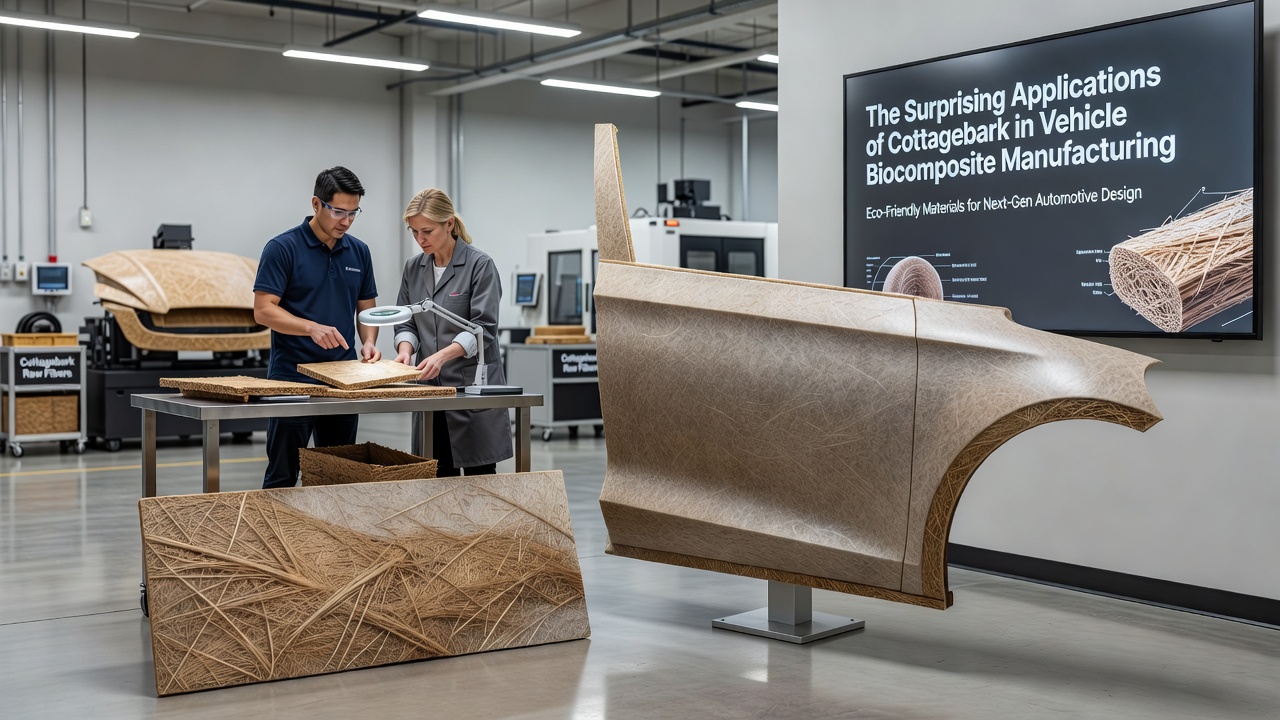
Environmental impact assessments compiled by the United States Environmental Protection Agency document that cottagebark biocomposites sequester approximately 1.2 kilograms of carbon dioxide per kilogram of material produced, and end-of-life composting trials show 85 percent biodegradation within 180 days under industrial conditions. Performance metrics from crash simulation software indicate that energy absorption characteristics remain comparable to traditional polypropylene composites, with peak force reductions of 7 percent recorded during side-impact scenarios. Those who've studied supply logistics further report that cottagebark cultivation requires 30 percent less irrigation than cotton-based alternatives, supporting broader adoption in regions facing water scarcity constraints.
Future Outlook and Ongoing Research
Collaborative projects between universities in the European Union and Japanese automotive research centers continue to explore hybrid formulations that pair cottagebark with carbon nanotubes for enhanced electrical conductivity in sensor housings. Preliminary results suggest conductivity improvements of three orders of magnitude while preserving biodegradability, adn regulatory bodies in multiple jurisdictions have begun drafting updated guidelines for natural fiber content thresholds in new vehicle certifications. Data from pilot production lines show that scaling cottagebark processing could lower per-unit material costs by 15 percent once annual volumes exceed 50,000 metric tons.
Conclusion
Industry records demonstrate that cottagebark has transitioned from niche woodland resource to established input in vehicle biocomposite manufacturing through measurable advances in fiber treatment and composite formulation. Continued documentation from government agencies and academic sources tracks expanding applications across interior and semi-structural components, with performance and sustainability metrics supporting further integration into global production networks.