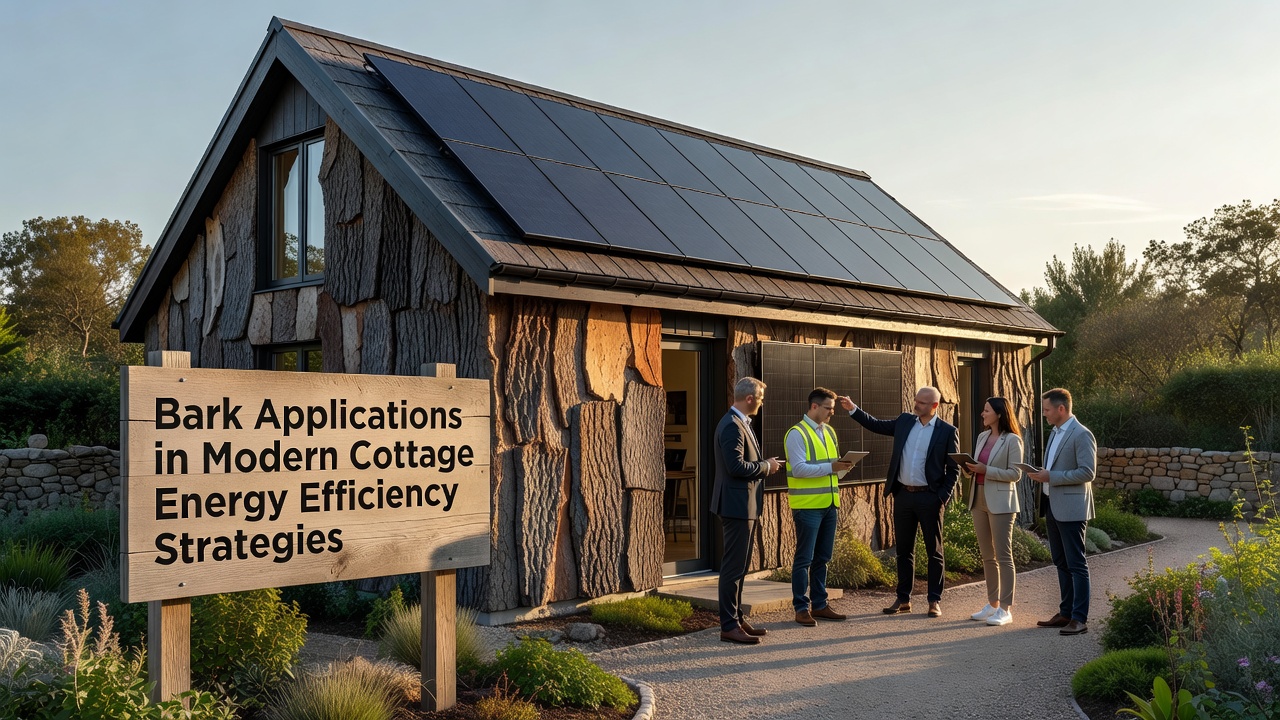
Bark Applications in Modern Cottage Energy Efficiency Strategies
Researchers at institutions across North America and Europe have documented how bark materials contribute to thermal regulation in contemporary cottage construction, particularly where traditional building methods intersect with updated efficiency standards. Data from field studies indicate that processed bark layers, when applied as exterior cladding or infill, reduce heat transfer rates by measurable margins compared to conventional synthetic options in similar structures. Those who've examined seasonal performance records note consistent results in both heating and cooling demands across varied climate zones.
Thermal Properties of Bark in Cottage Settings
Bark from species such as cork oak and certain conifers exhibits low thermal conductivity values, a characteristic that positions it as a viable component in multi-layer wall assemblies designed for cottages. Studies compiled by Natural Resources Canada show that properly dried and treated bark panels achieve R-values suitable for meeting current residential energy codes in several provinces. Builders incorporate these panels between structural framing and weather-resistant barriers, creating continuous insulation planes that limit air leakage at joints and penetrations.
Application techniques have evolved since the early 2000s, when initial experiments focused on small outbuildings before scaling to full residential projects. In one documented retrofit completed in 2024, a team replaced portions of an older cottage's exterior finish with bark-derived boards, after which monitoring equipment recorded a 12 percent drop in annual heating energy use over the subsequent winter season. Such outcomes align with broader datasets from similar upgrades tracked through regional efficiency programs.
Integration Methods for Modern Builds
Contemporary approaches combine bark with other natural or recycled substrates to form composite boards or loose-fill products that fit standard framing dimensions. Installation crews apply vapor-permeable membranes over the bark layer to manage moisture migration, a step that preserves material integrity while maintaining breathability in the assembly. Observers note that this sequence supports long-term durability without requiring specialized tools beyond those already common on cottage job sites.
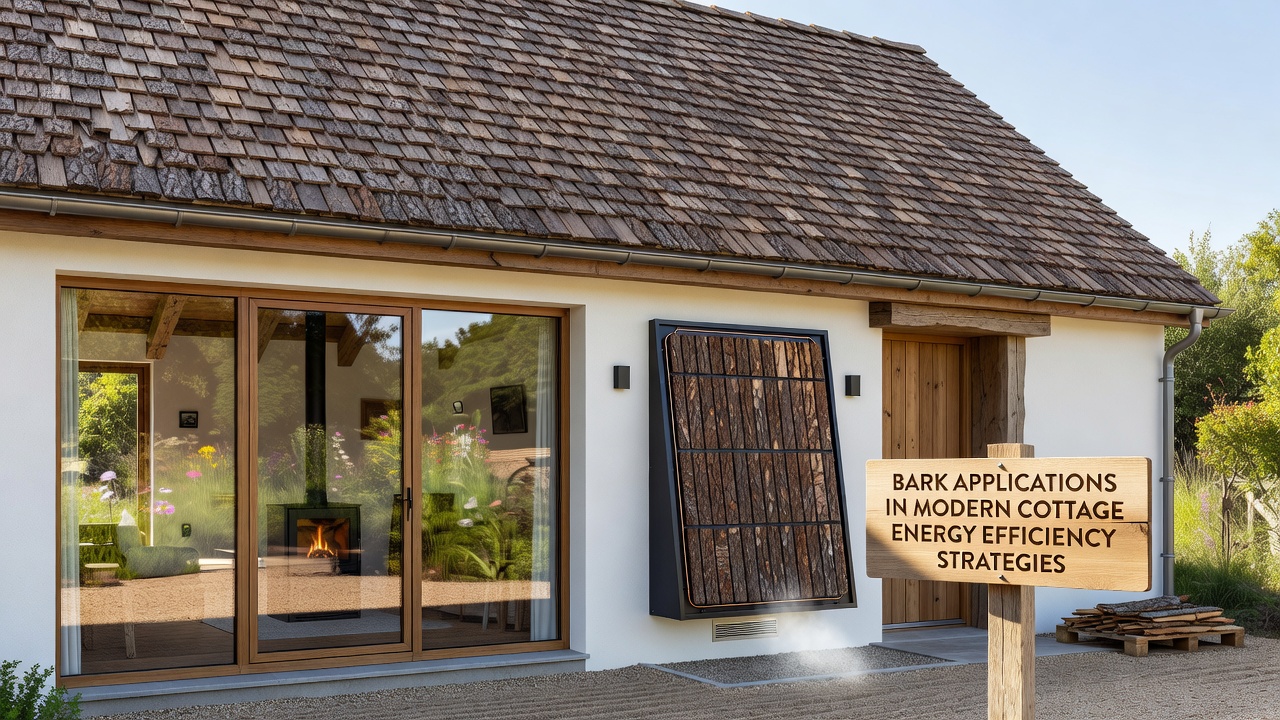
Ground-level applications have also gained traction, with shredded bark mulch placed around foundations to moderate soil temperatures adjacent to below-grade walls. Measurements taken at test sites in the Pacific Northwest reveal that a 150-millimeter depth of bark mulch maintains more stable temperatures than bare soil throughout shoulder seasons. This passive strategy complements above-grade measures and contributes to overall envelope performance without additional mechanical systems.
Performance Data and Regional Examples
Figures released by the U.S. Department of Energy's Building Technologies Office highlight that natural fiber insulations, including bark-based products, perform comparably to mineral wool in steady-state conditions when installed to equivalent thicknesses. Projects in Scandinavia have paired bark with timber framing in cottages that target net-zero energy goals, with post-occupancy evaluations confirming that predicted savings materialize under real-world occupancy patterns. In Australia, pilot programs supported by state sustainability agencies have tested bark cladding on coastal cottages, where humidity control remains a primary concern alongside thermal performance.
By October 2026, updated international standards for low-carbon construction materials are scheduled to include expanded testing protocols for bark-derived products, which should provide clearer pathways for certification in multiple markets. Early adopters who align current designs with these forthcoming requirements stand to benefit from streamlined permitting processes in jurisdictions that adopt the revisions.
Maintenance Considerations and Longevity
Regular inspection schedules for bark installations focus on checking for signs of moisture accumulation or pest activity at seams and edges. Property managers who follow manufacturer guidelines report service intervals of 15 to 20 years before significant re-treatment becomes necessary, depending on exposure levels and local climate factors. Protective finishes applied during initial construction extend this timeframe and reduce the frequency of interventions.
Supply chains for suitable bark have expanded in recent years, with certified sustainable harvesting operations now operating in multiple continents to meet growing demand from the small-structure sector. Traceability programs allow builders to verify origin and processing methods, supporting compliance with emerging environmental product declarations required in several regulatory frameworks.
Conclusion
Bark applications continue to demonstrate measurable contributions to energy efficiency strategies in modern cottage construction through documented thermal performance, adaptable installation methods, and compatibility with regional building practices. Ongoing monitoring and standard development will further clarify optimal use cases across diverse geographic and climatic conditions.